
 By Chloe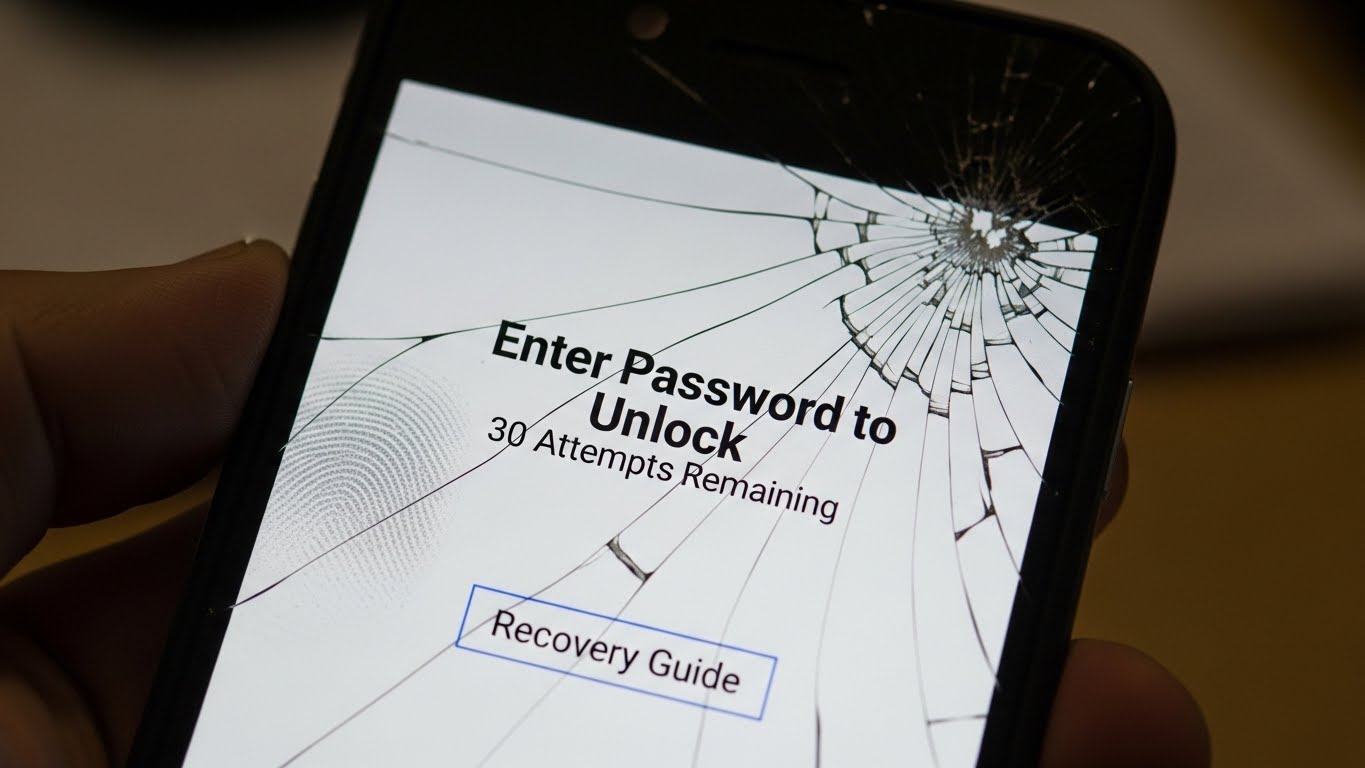
In today’s digital age, password protection is paramount for securing your accounts and sensitive information. However, many users have encountered the frustrating message: “Enter password to unlock 30 attempts remaining”. This common occurrence, often seen on websites, apps, or online platforms, raises questions about why it happens, what it means, and how you can avoid running into this issue in the future. This article will break down the various aspects of this message, explain the reasons behind it, and provide helpful tips on how to safeguard your accounts.
What Does “Enter Password to Unlock 30 Attempts Remaining” Mean?
The message “Enter password to unlock 30 attempts remaining” is typically displayed when a user is attempting to log into an account and enters the wrong password multiple times. The system recognizes this as a potential security threat, which is why it limits the number of attempts you can make to enter the correct password. After each failed attempt, the number of remaining tries decreases, typically in intervals like 30 or fewer attempts.
This feature is designed to protect accounts from brute-force attacks, where an attacker systematically tries many different password combinations to gain unauthorized access. By limiting the number of failed attempts, the system helps prevent malicious actors from guessing your password and gaining access to your account.
Why Are There Limited Password Attempts?
The reason why there are limited password attempts is simple: security. Let’s explore why limiting attempts is an essential part of the login process:
Prevent Brute Force Attacks: Brute-force attacks involve trying a large number of passwords or passcodes until the correct one is found. By limiting the number of login attempts, websites make it harder for hackers to successfully break into an account using this method.
Protect Personal Data: Your accounts likely contain sensitive personal information, such as your emails, payment details, or personal records. By limiting failed attempts, platforms can help protect this data from falling into the wrong hands.
Strengthen Account Security: It encourages the use of stronger passwords. If you have a weak password (e.g., “123456”), it’s easier for attackers to crack. Systems that limit password attempts often encourage users to create more secure passwords that are harder to guess.
Automatic Locking Mechanism: Some platforms automatically lock your account after a set number of failed login attempts. This can give you a break from worrying about unauthorized login attempts, but it can also be inconvenient if you forget your password.
How Do Failed Login Attempts Work?
When you try to log into a platform and enter an incorrect password, the system typically records each failed attempt. Depending on the platform’s security settings, the system will either:
Display a countdown of remaining attempts: As you make multiple failed attempts, the number of tries you have left may decrease (e.g., 30 attempts remaining).
Lock the account temporarily: After several failed attempts, the account may be locked for a short time, ranging from a few minutes to an hour. This forces users to slow down and carefully re-enter their password.
Require CAPTCHA or two-factor authentication: After a certain number of attempts, the system may prompt you to solve a CAPTCHA (Completely Automated Public Turing test to tell Computers and Humans Apart) to confirm you’re not a bot. Alternatively, it may require you to enter a code sent to your email or phone number for extra security.
Common Reasons for Seeing This Message
There are several reasons you might encounter the “Enter password to unlock 30 attempts remaining” message. These include:
Forgotten Password: This is the most common reason. If you can’t remember your password and repeatedly enter incorrect information, the platform will prompt you with this message.
Typographical Errors: Sometimes, typing errors such as forgetting to press “Caps Lock” or mistyping a special character can cause incorrect password entries. These errors quickly add up to several failed login attempts.
Account Lockout for Security Reasons: If you or someone else has attempted to access your account multiple times unsuccessfully, the system may lock you out as a security measure.
Hack Attempts or Suspicious Activity: If the system detects multiple login attempts from unfamiliar IP addresses, it may flag the activity and restrict access to prevent unauthorized logins.
Expired Credentials: Some systems may lock you out or limit attempts if your credentials have expired, requiring you to reset your password to regain access.
What Happens After the 30 Attempts Are Used?
Once you’ve used up all 30 attempts or whatever limit is set for failed logins, the system may initiate one of the following actions:
Account Lockout: After exhausting all attempts, the platform might lock your account for a certain period. During this time, you won’t be able to access the account, and you may need to wait before trying again.
Password Reset Required: Some systems will automatically prompt you to reset your password once the limit is reached. You may need to verify your identity using an email or phone number linked to your account before you can create a new password.
Security Verification: If you’ve hit the limit on login attempts, the system may ask you to complete additional security checks, such as answering security questions, using two-factor authentication (2FA), or receiving a verification code.
How to Prevent Lockouts from Too Many Failed Password Attempts
While encountering a “30 attempts remaining” message is a hassle, there are several things you can do to avoid this problem in the future:
1. Use a Password Manager
Password managers are tools that help you store and manage passwords securely. They can generate strong passwords and save them, so you don’t have to remember them. Using a password manager reduces the chance of making typos or forgetting your credentials.
2. Enable Two-Factor Authentication (2FA)
Two-factor authentication (2FA) provides an additional layer of security by requiring you to enter a second form of verification (like a text message code or an app-generated key) when logging in. This can help prevent unauthorized access to your account even if someone guesses your password.
3. Use Strong and Unique Passwords
Avoid using easily guessable passwords such as “password123” or “qwerty.” Instead, create a complex password with a mix of upper and lowercase letters, numbers, and special characters. Also, avoid using the same password across multiple accounts to minimize the impact if one account is compromised.
4. Enable Account Recovery Options
Many platforms offer account recovery options in case you forget your password. Set up email or phone number recovery options, which can help you reset your password and regain access quickly.
5. Be Mindful of Caps Lock and Keyboard Layouts
Before attempting to log in, check that your Caps Lock is off and that you’re using the correct keyboard layout. These small details can easily lead to failed attempts.
6. Contact Customer Support
If you’ve exhausted all your login attempts and can’t access your account, don’t hesitate to contact customer support for assistance. Most platforms have dedicated teams ready to help you resolve login issues.
Conclusion
The message “Enter password to unlock 30 attempts remaining” is a security feature designed to protect your account from brute-force attacks and unauthorized access. While it can be frustrating to encounter, it’s essential for safeguarding your personal information and data. By following best practices such as using strong passwords, enabling two-factor authentication, and managing your passwords securely, you can reduce the chances of running into this issue in the future.